The editorial team tagged 300,000 articles by hand. We built the engine that reads them.
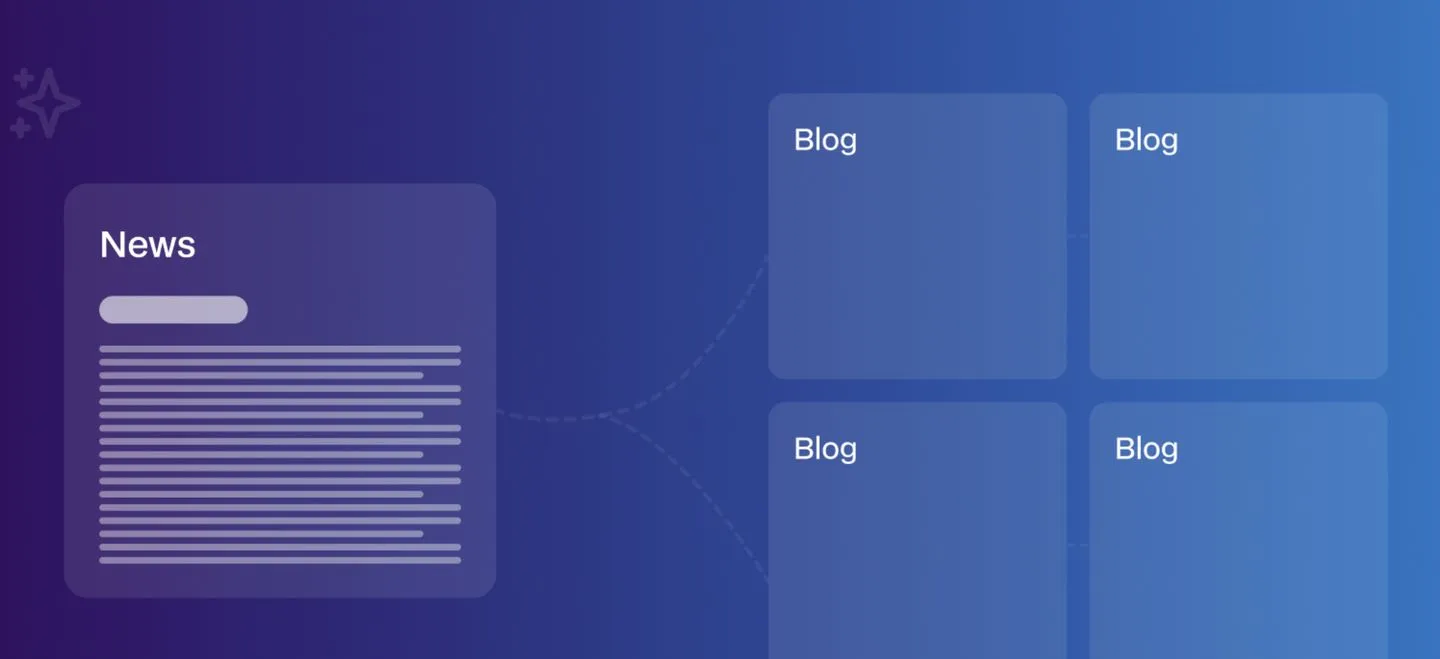
Every article was read and tagged by an editor, and the archive kept growing. Neuramonks delivered semantic categorisation that assigns articles by meaning rather than keyword, across 300,000+ pieces.

Delivered for the editorial team
- 300K+
- Articles organised
- 65%
- Less tagging effort
- Semantic
- Meaning, not keywords
- Multi-label
- Several categories each
Delivered for the L&D team
- 300K+
- Articles organised
- 65%
- Less tagging effort
- Semantic
- Meaning, not keywords
- Multi-label
- Several categories each
The Client's Problem
Three hundred thousand articles, tagged one at a time.
- Editors reading and tagging every article
- Categorised automatically on publication
- Keyword rules missing the actual subject
- Assigned by meaning, not matched words
- An archive nobody could navigate
- Tagging effort down 65%
What We Delivered
Six pieces of work, one categorisation engine.
- 01 · NLP Engineering
- Semantic segmentation model
- Reads what an article is about, not which words it uses.
- 02 · Applied AI
- Multi-label categorisation
- A multi-label article classification system that assigns every category an article genuinely belongs to.
- 03 · Data Engineering
- Archive processing pipeline
- Automated content tagging for publishers, applied to 300,000+ existing articles, not only new ones.
- 04 · Applied Research
- Taxonomy alignment
- Maps to the categories the newsroom already uses.
- 05 · Product Engineering
- Review and override tooling
- Editors correct a label instead of applying every one.
- 06 · Analytics
- Coverage and gap reporting
- Which topics are over-served and which are thin.
· Across all six · Editorial content
- Editorial control retained
- Any label can be overridden by an editor.
- Encrypted end to end
- Article content and category records encrypted in transit and at rest.
- Access-controlled by role
- Editors and contributors see only their own scope.
Tagging every article by hand?
We scope which pieces your build actually needs, in 30 minutes.
The Result
The archive becomes navigable, not just stored.
Semantic categorisation for news articles means an article about a merger lands under finance even when the word never appears. That made 300,000 back articles findable and cut ongoing tagging effort by 65%.
65%
Less editorial tagging effort, with 300,000+ archived articles categorised by meaning.
How The Engagement Ran
Four phases, taxonomy to archive.
- Phase 1
- Discovery
- Existing taxonomy and tagging rules captured with editorial.
- Phase 2
- Semantic model
- Categorisation trained on their own archive.
- Phase 3
- Archive processing
- 300,000+ back articles categorised and reviewed.
- Archive processing
- Phase 4
- Review and rollout
- Override tooling and coverage reporting released.
- NLP
- Semantic segmentation
- Multi-label article classification system
- Data pipeline
- CMS integration
Why Neuramonks
Why the editorial team chose Neuramonks.
- Outcome-driven delivery
- Tagging-effort targets set before development started.
- Meaning over keywords
- Articles categorised on subject, not on word matches.
- Editorial control retained
- Every label can be corrected by an editor.
- Deployable on your terms
- On-premises or air-gapped where policy requires it.
Common Questions
What teams ask about this build.
How is semantic categorisation different from keyword tagging?
Keyword rules match words. Semantic categorisation for news articles reads what a piece is about, so it lands correctly even when the obvious term never appears.
Can an article belong to several categories?
Yes. The multi-label article classification system assigns every category an article genuinely belongs to, rather than forcing it into one.
What happened to the existing archive?
Over 300,000 back articles were processed, so the archive became navigable rather than only new content being tagged.
Do editors still control the labels?
Yes. Every label can be overridden, and those corrections inform how the categories are applied.
What did the engagement include?
The semantic model, multi-label categorisation, archive processing, taxonomy alignment, the review tooling and coverage reporting.\