The bank needed to onboard people it had never met. We built the verifier.
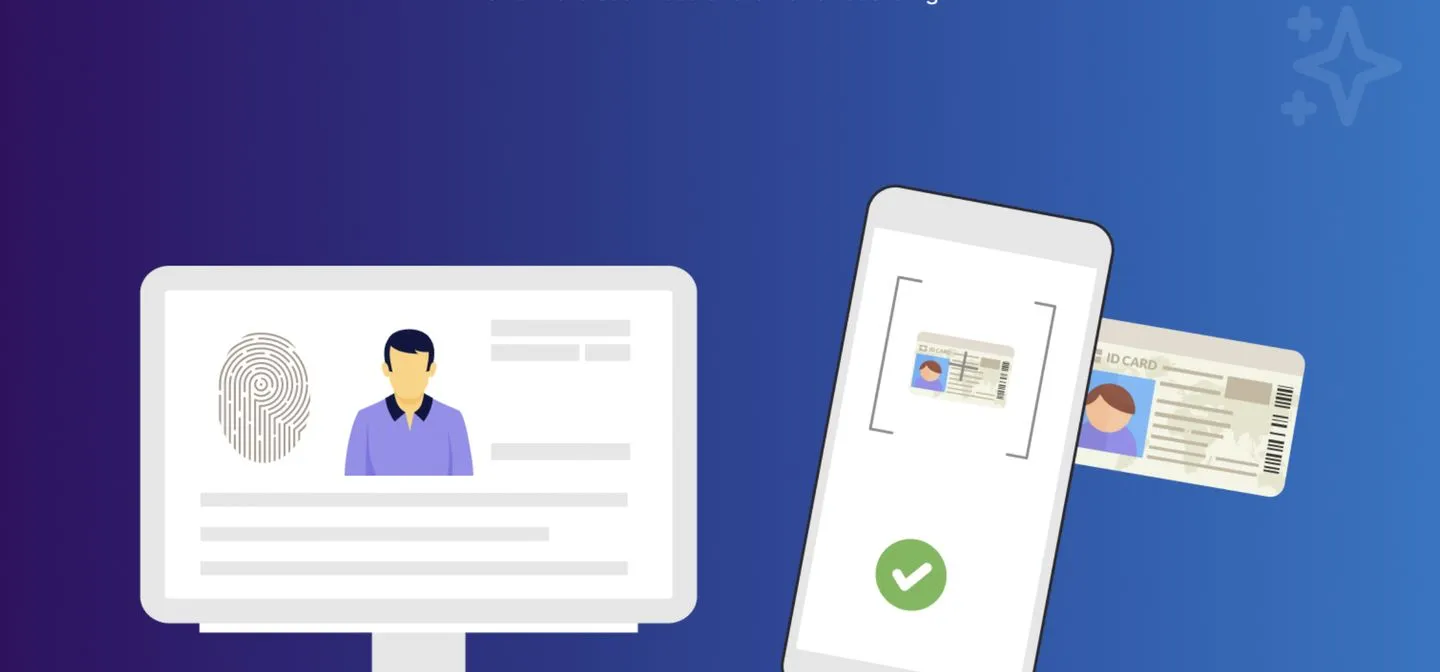
Onboarding meant a branch visit or a manual document check. Neuramonks delivered verification on a video call — passport and visa checks, hologram detection, gaze-based liveness and a generated onboarding record.

Delivered for the bank
- 65%
- Faster onboarding
- Liveness
- Real person confirmed
- Hologram
- Optical features checked
- Human
- Loop on any doubt
Delivered for the L&D team
- 65%
- Faster onboarding
- Liveness
- Real person confirmed
- Hologram
- Optical features checked
- Human
- Loop on any doubt
The Client's Problem
Onboarding a customer nobody at the bank had ever seen.
- Documents checked by eye, in a branch
- Verified on the call, holograms included
- No proof a real person was present
- Gaze-based liveness confirms it on camera
- Onboarding queued behind manual review
- Onboarding time down 65%
What We Delivered
Six pieces of work, one verified onboarding.
- 01 · Computer Vision
- Document authentication
- Reads passports and visas as part of the video KYC verification solution and checks them against expected structure.
- 02 · Applied Research
- Hologram and security features
- Applies hologram detection identity verification system checks for optical elements a printed copy cannot reproduce.
- 03 · Computer Vision
- Gaze-based liveness
- Runs gaze liveness detection for banking onboarding to confirm a live person on camera, not a photo or replay.
- 04 · Applied AI
- Face-to-document matching
- Matches the person on the call to the document presented.
- 05 · Product Engineering
- Onboarding record generation
- Produces the signed PDF the bank's process requires.
- 06 · Workflow
- Human review escalation
- Anything uncertain goes to a reviewer, not through.
· Across all six · Identity and KYC data
- Encrypted end to end
- Document images, video and records encrypted in transit and at rest.
- Access-controlled by role
- Reviewers and compliance see only their own scope.
- Auditable decisions
- Every check and its result recorded against the onboarding file.
Onboarding stuck behind manual checks?
We scope which pieces your video KYC verification solution actually needs, in 30 minutes .
The Result
Onboarded on a call, with a record that stands up.
Document authenticity, hologram features and a live person are confirmed inside the same call, and the result is written to a PDF the bank can file. Anything uncertain goes to a reviewer instead of through.
65%
Faster onboarding, with the manual document check removed from the routine path.
How The Engagement Ran
Four phases, document to record.
- Phase 1
- Discovery
- KYC requirements and fraud routes mapped with compliance.
- Phase 2
- Document models
- Passport and visa authentication trained across formats.
- Phase 3
- Liveness and matching
- Gaze liveness and face-to-document matching tuned.
- Phase 4
- Record and rollout
- PDF generation and review escalation, then release.
- Computer Vision
- Deep Learning
- OCR
- Liveness detection
- Document generation
Why Neuramonks
Why the bank chose Neuramonks.
- Outcome-driven delivery
- Onboarding-time and fraud targets set before development started.
- Built to resist spoofing
- Holograms and liveness, not just a photo of a passport.
- Human review by design
- Uncertain cases escalate rather than pass through.
- Deployable on your terms
- On-premises or air-gapped where policy requires it.
Common Questions
What teams ask about this build.
How does AI verify a passport on a video call?
As part of a video KYC verification solution, the document is read and checked against the structure and security features expected for its type, including optical elements a printed copy cannot reproduce.
What is gaze-based liveness?
Gaze liveness detection for banking onboarding confirms a live person is present on camera rather than a photograph, screen or recording, by checking eye behaviour during the call.
Does a human still review anything?
Yes. Cases the system is not confident about are escalated to a reviewer rather than passed through automatically.
What did the engagement include?
A hologram detection identity verification system covering document authentication, gaze liveness, face-to-document matching, the onboarding record and review escalation.
How is identity data secured?
Documents, video and records are encrypted in transit and at rest, with role-based access and every check recorded against the file.