The fishing operator was sailing on a city forecast. We built the one for their waters.
A general forecast covers a region, not the patch of sea a boat is working. Neuramonks built a hyperlocal rain forecast for fishing operators in Singapore, so a trip is called before it is lost.

Delivered for the fishing operator
- 30%
- Fewer weather losses
- Hyperlocal
- Grounds, not the city
- 12h
- Outlook per trip window
- Go / no-go
- Called before sailing
Delivered for the L&D team
- 30%
- Fewer weather losses
- Hyperlocal
- Grounds, not the city
- 12h
- Outlook per trip window
- Go / no-go
- Called before sailing
The Client's Problem
A forecast for the city, and a boat already at sea.
- A general forecast covering the whole region
- A marine weather prediction system for fisheries, for the grounds being fished
- Trips called on a skipper's judgement alone
- A go or no-go backed by the model
- Catch and fuel lost to weather
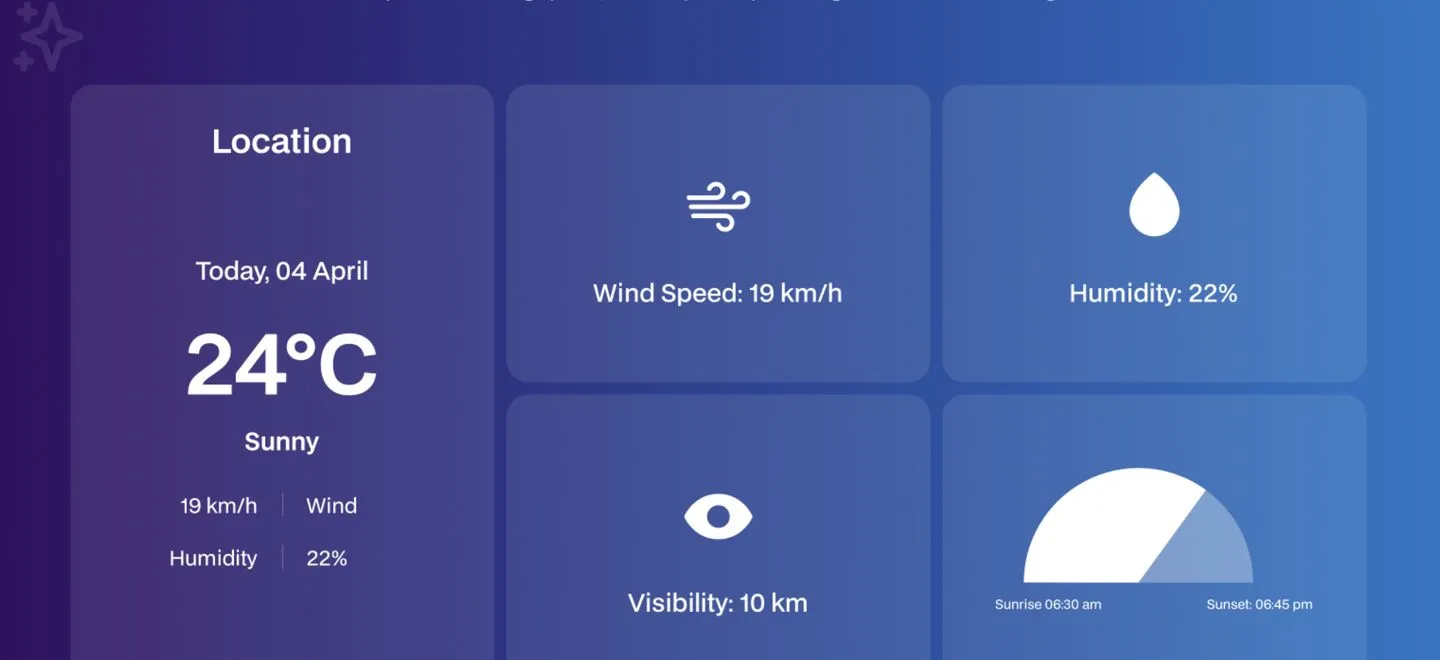
- Weather-related losses down 30%, across 40+ vessels
What We Delivered
Six pieces of work, one operating decision.
- 01 · Data Engineering
- Weather data ingestion
- Pulls meteorological and marine sources into one feed for the marine weather prediction system.
- Weather data ingestion
- 02 · Applied Research
- Hyperlocal rain modellingA
- hyperlocal rain forecast for fishing operators, built for the grounds worked, not the nearest station.
- 03 · Applied AI
- Short-horizon forecasting
- Rain outlook across the window a trip actually covers.
- 04 · Product Engineering
- Go or no-go decision view
- One screen a skipper can read before sailing.
- 05 · Workflow
- Alerts and thresholds
- Warns when conditions cross the operator's own limits.
- 06 · Analytics
- Accuracy and loss reporting
- Forecast performance against what the fleet actually met.
· Across all six · Operational data
- Encrypted end to end
- Fleet positions and operational data encrypted in transit and at rest.
- Access-controlled by role
- Skippers and operations see only their own fleet.
- Runs where you need it
- Deployable on-premises, part of our predictive AI services.
Making calls on a regional forecast?
We scope which pieces your build actually needs, in 30 minutes.
The Result
The call gets made before the boat leaves.
A regional forecast cannot tell a skipper whether the grounds they work will be rained off. As a fishing fleet weather risk reduction solution, predicting for that location, across the hours a trip covers, turned a judgement call into a decision.
30%
Fewer weather-related losses, with the go or no-go made before fuel and crew are committed.
How The Engagement Ran
Four phases, data to decision.
- Phase 1
- Discovery
- Operating limits and loss events mapped with the fleet.
- Phase 2
- Data ingestion
- Meteorological and marine sources unified into one feed.
- Data ingestion
- Phase 3
- Forecast model
- Hyperlocal rain prediction trained and validated.
- Phase 4
- Decision view and rollout
- Alerts and the go or no-go screen released.
- Machine Learning
- Time-series forecasting
- Weather data pipeline
- Alerting
- Mobile access
Why Neuramonks
Why the fishing operator chose Neuramonks.
- Outcome-driven delivery
- Loss-reduction targets set before development started.
- Location-specific by design
- Modelled for the grounds worked, not the nearest station.
- Built for the field
- Readable on a phone, before a boat leaves the dock.
- Deployable on your terms
- On-premises or air-gapped where policy requires it.
Common Questions
What teams ask about this build.
How is this different from a normal weather forecast?
A public forecast covers a region. A hyperlocal rain forecast for fishing operators predicts rain for the specific grounds a boat is working, across the hours that trip covers.
How does it reduce losses?
A skipper gets a go or no-go before committing fuel and crew, so trips that would be rained off are not started — this is the core of the fishing fleet weather risk reduction solution.
What data does the rain forecast model use?
Meteorological and marine sources are pulled into one feed across 12+ data points, then modelled for the specific location rather than the nearest station.
What did the engagement include?
Weather data ingestion, hyperlocal rain modelling, short-horizon forecasting, the decision view, alert thresholds and accuracy reporting.
How is forecast accuracy measured?
Accuracy is reported against what the fleet actually met, so the operator can see how the model performs on their own waters.